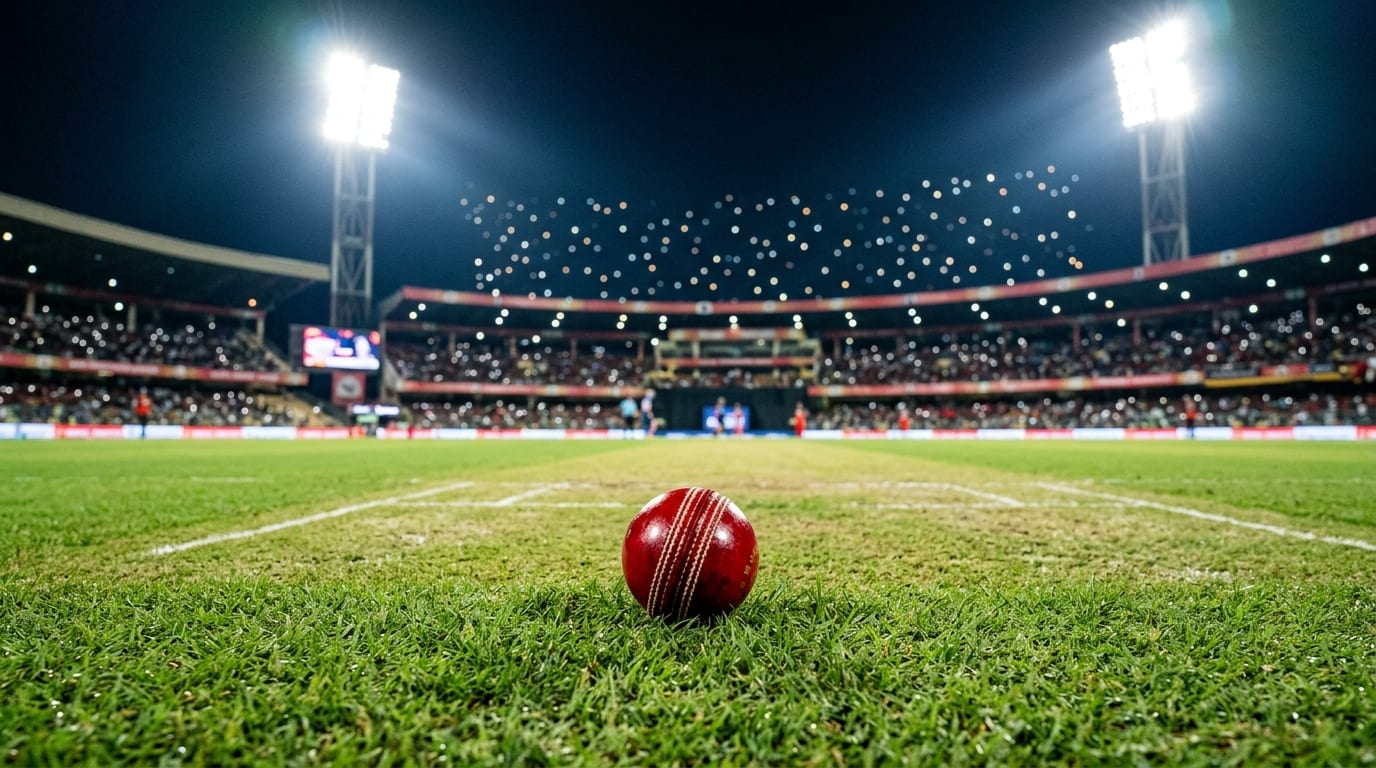
Padma Shri, Arjuna Award, Wisden Cricketer of the Year, unbroken world records, and an everlasting cricketing legacy.
For his peerless artistry on the cricket pitch and lifelong contribution to Indian sport, Mohammad Azharuddin has been decorated with prestigious sporting and civilian honours.
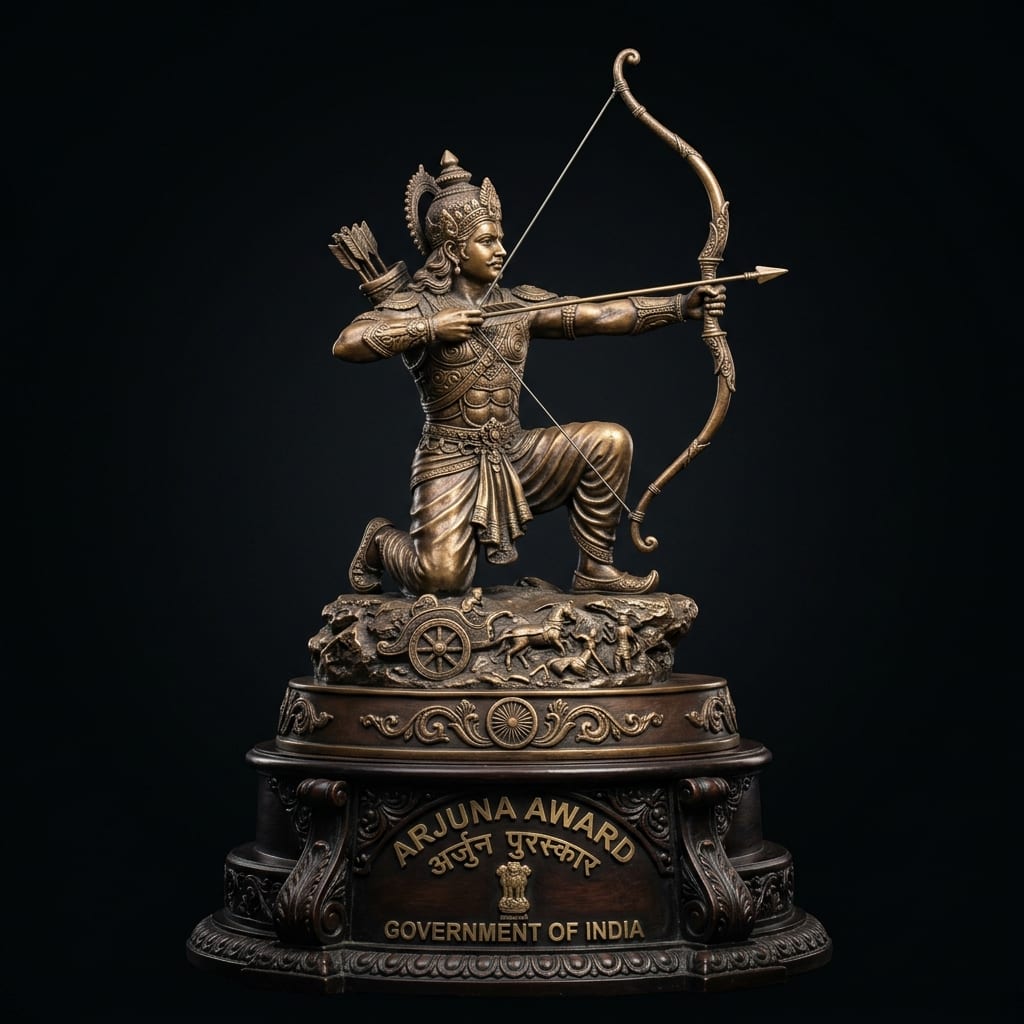
Conferred by the President of India for outstanding contribution, match-winning consistency, and world-record debut in international cricket.
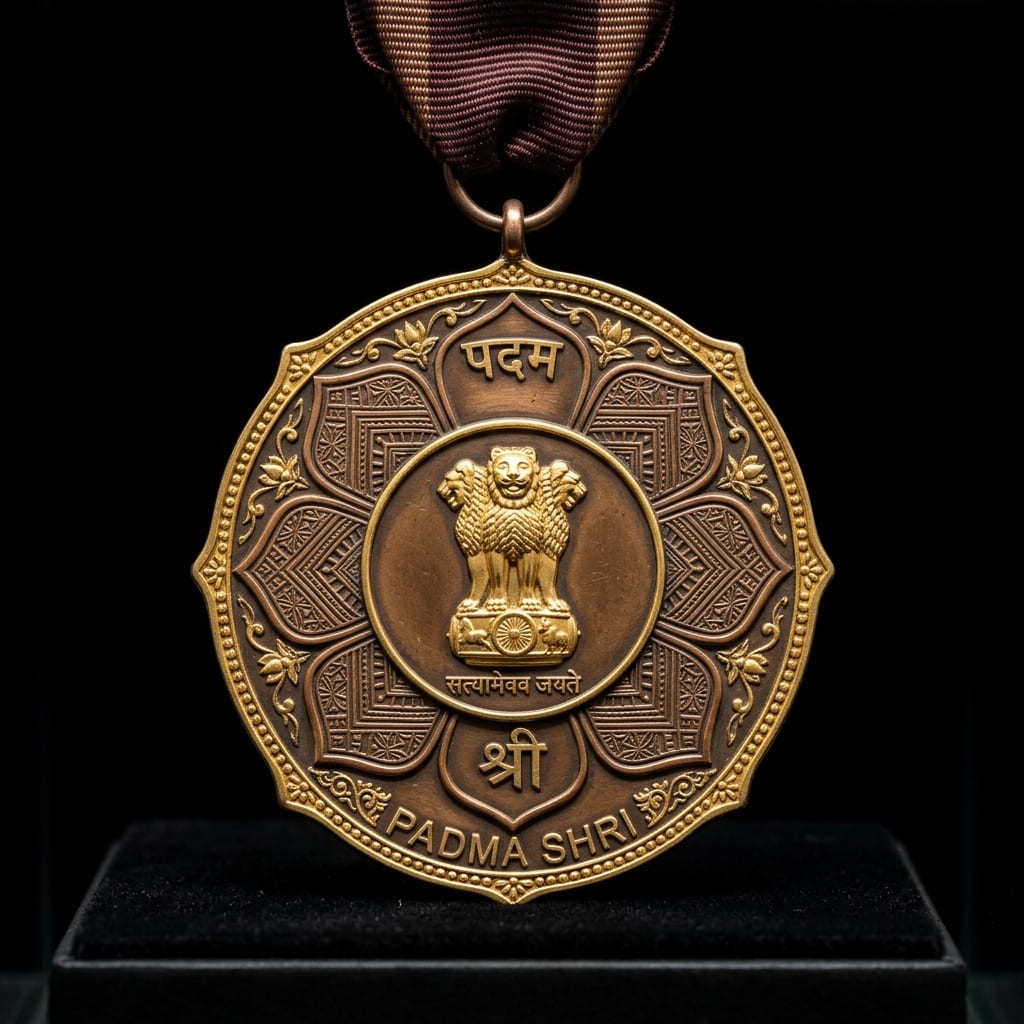
India's fourth-highest civilian honour recognizing national distinction, sporting integrity, and youth inspiration across the globe.
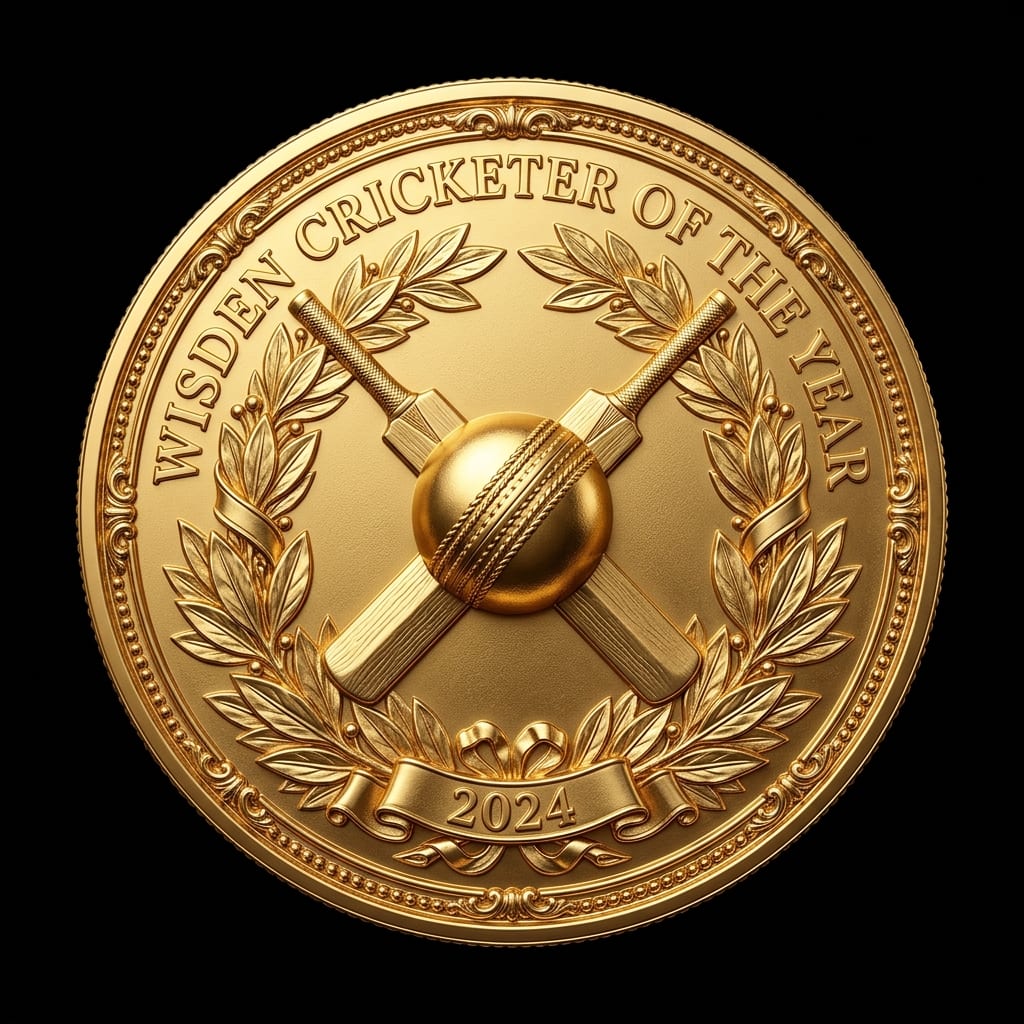
Named one of the world's top five cricketers of the year following his dazzling centuries at Lord's (121) and Manchester (179).
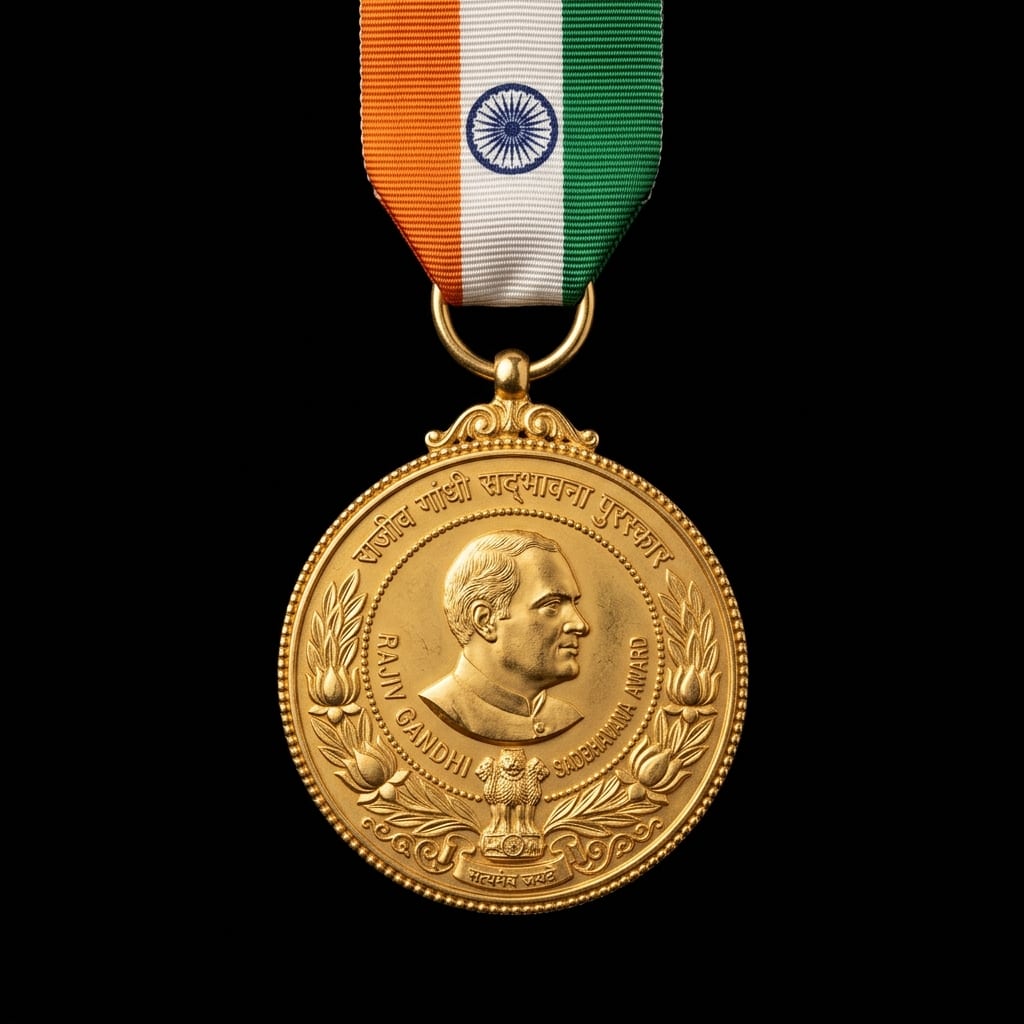
Rajiv Gandhi National Sadbhavana Award for lifelong promotion of peace, communal harmony, national integration, and sports diplomacy.
Mohammad Azharuddin holds several extraordinary records that occupy a permanent place in international cricket history.
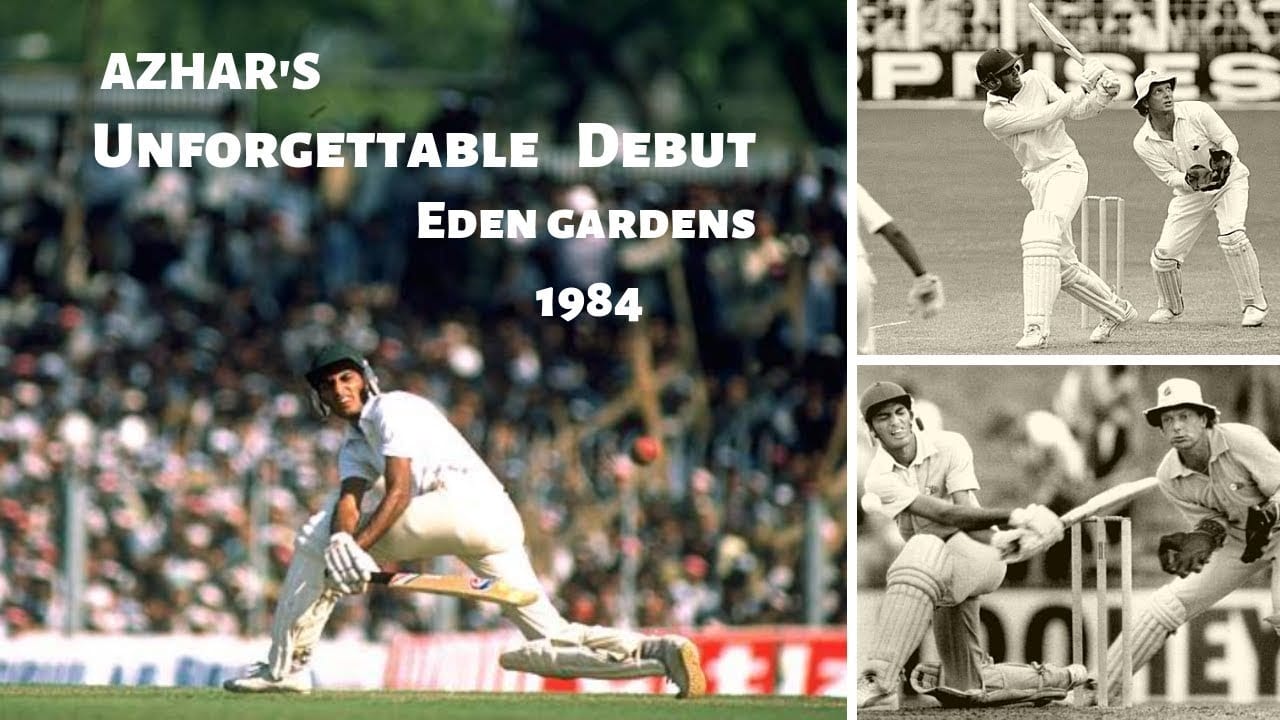
His record of three centuries in his first three consecutive Test matches (1984–85) has stood unchallenged for over four decades. No other batsman in the 148-year history of Test cricket has ever matched this feat.
When he stroked 102 against South Africa in Bangalore in March 2000, he joined an ultra-exclusive club of batsmen to score a hundred in both their first and final Test matches.
110 in Kolkata, 105 in Chennai, 122 in Kanpur (1984–85).
110 on debut vs England; 102 in 99th Test vs South Africa.
Scored vs New Zealand in 1988; held the record for over a decade.
Held all-time record for most ODI outfield catches for years.
Triumphs across continental, multi-nation, and world championship arenas at the helm of the Indian cricket team.
Member of the historic World Champion squad in Australia, scoring an unbeaten 93 against Pakistan in Melbourne.
Led India to victory over Sri Lanka at Eden Gardens, scoring 54 runs in the final and earning Man of the Match.
Masterminded India's tournament victory at Eden Gardens, including the legendary semifinal over bowled by Sachin Tendulkar.
Captained India to victory over Sri Lanka in Sharjah by 8 wickets, earning Man of the Match honours in the final.
Captained India to the 1996 World Cup semi-finals after a famous 39-run quarterfinal triumph over Pakistan in Bangalore.
Led India to the iconic triangular tournament victory in Sharjah against Australia and New Zealand.
Across 99 Test matches, Mohammad Azharuddin scored 22 Test centuries against every top bowling attack in world cricket. Here are selected iconic masterclasses that defined cricket history:
| Year | Score | Opposition | Venue | Significance |
|---|---|---|---|---|
| 1984 | 110 | England | Eden Gardens, Kolkata | Debut Test century in his maiden international innings. |
| 1985 | 105 | England | M.A. Chidambaram, Chennai | Second consecutive century in his 2nd Test match. |
| 1985 | 122 | England | Green Park, Kanpur | Completed historic 3 centuries in first 3 Tests world record. |
| 1990 | 121 (111b) | England | Lord's, London | Hailed as the most dazzling Test century ever witnessed at Lord's. |
| 1990 | 179 | England | Old Trafford, Manchester | Tour de force century cementing Wisden Cricketer of the Year. |
| 1993 | 182 | England | Eden Gardens, Kolkata | Captained India to an innings victory with effortless batting. |
| 1996 | 163* (74b) | South Africa | Eden Gardens, Kolkata | Equal fastest century in Indian Test history (74 balls). |
| 1997 | 199 | Sri Lanka | SSC Ground, Colombo | Career-best Test score in an innings of sublime wristwork. |
| 2000 | 102 | South Africa | Chinnaswamy Stadium, Bangalore | Century in his 99th and final Test match for India. |
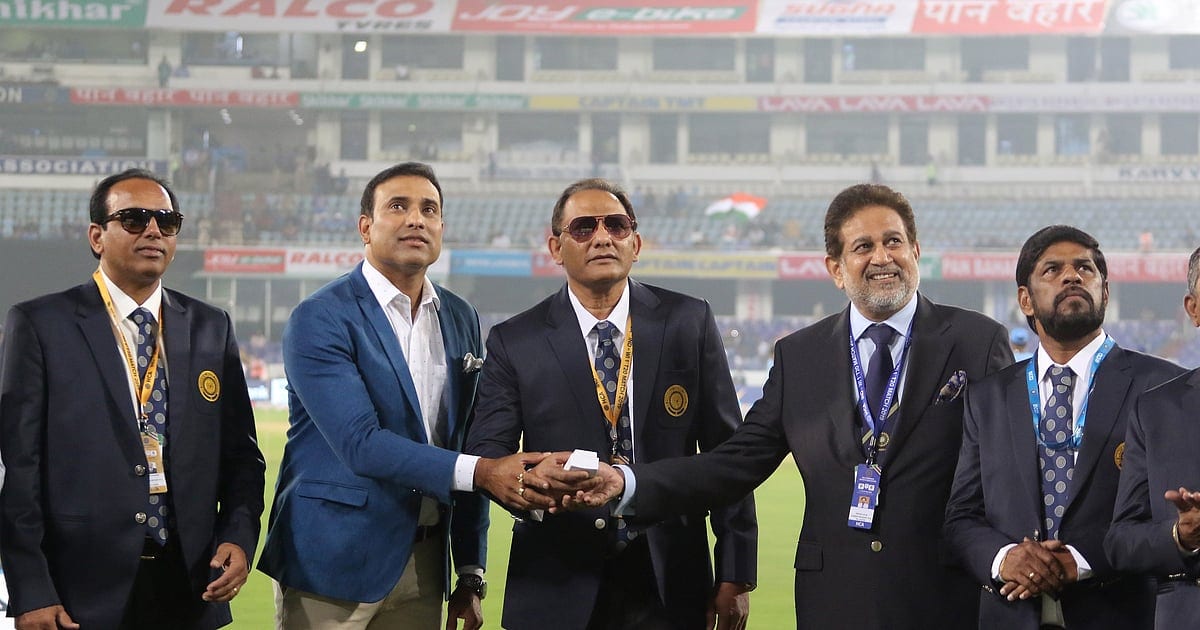
In 2019, the Hyderabad Cricket Association bestowed the supreme honour on its most famous son by naming the prominent North Stand at the Rajiv Gandhi International Cricket Stadium in Uppal, Hyderabad the "Mohammad Azharuddin Stand".
The naming permanently etched Azharuddin's name into the sporting skyline of the very city where his journey began at All Saints High School and Nizam College.
“When Azhar batted, God was in his wrists. No computer on earth could simulate the trajectories he found through the field.”
— International Cricket Tributes
Description